Alcohol Use Disorder
It's a medical condition. It gets treated like one.
Physician-led treatment for alcohol use disorder. A monthly injection that reduces cravings, combined with the follow-up that actually sustains recovery.


Physician-led treatment for alcohol use disorder. A monthly injection that reduces cravings, combined with the follow-up that actually sustains recovery.
Alcohol use disorder is a medical condition, not a character flaw. It responds to treatment, and treatment here starts with a conversation, not judgment.
Before anything is prescribed, Dr. Wasserman reviews your drinking pattern, medical history, liver function, medications, mental health, and support system — and assesses whether a supervised detox is needed first. This step is about making sure treatment is both right for you and safe to start.
A once-monthly Vivitrol injection that blocks the opioid receptors alcohol acts on, reducing cravings and the reward that drives heavy drinking. One appointment a month, not a pill to remember daily.
Each visit reviews cravings, drinking, mood, sleep, and how you're doing overall. Counseling, therapy, and relapse-prevention planning are coordinated where they help, because the medication works best alongside them, not alone.
Anxiety, depression, trauma, sleep, and pain frequently sit underneath a drinking problem. These are treated as part of the plan, not referred out and forgotten.
Complete medical history, physical examination, and comprehensive hormone testing including total/free testosterone, estradiol, DHT, thyroid function, growth hormone, and complete metabolic panel to establish your baseline and identify optimization opportunities.
Development of your individualized hormone optimization protocol incorporating testosterone replacement therapy options (injections, creams, pellets), peptide therapy selections, growth hormone protocols, and estrogen management strategies based on your specific needs and goals.
Begin your supervised hormone optimization with prescribed treatments, professional injection services available, and ongoing support. Evening clinic hours available for working professionals, EMS, police, and firefighters with flexible scheduling options.
Regular follow-up appointments with Dr. Wasserman, quarterly lab monitoring, treatment adjustments based on results and symptoms, and 24/7 text access for questions about dosing, side effects, and optimization strategies.

Vivitrol® is extended-release injectable naltrexone. It's administered as an intramuscular injection once every four weeks, as part of a comprehensive recovery plan that may include counseling, behavioral therapy, community support, and relapse-prevention planning.
Naltrexone works by blocking the opioid receptors involved in alcohol's rewarding effects. For many patients, this reduces cravings, decreases heavy drinking, and supports abstinence when combined with ongoing care. It is not addictive and does not cause alcohol withdrawal.
You must not be actively drinking at the time of your first injection, and you must be opioid-free before starting. Vivitrol blocks opioid receptors and can trigger sudden, severe withdrawal in someone with opioids in their system. If withdrawal from alcohol is a concern, Dr. Wasserman may recommend a supervised detox plan before beginning treatment. Your safety is assessed before anything is administered.
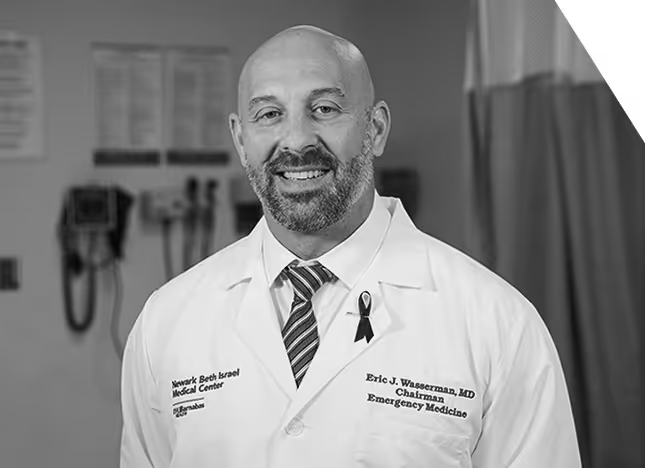
Dr. Wasserman holds dual board certification in Emergency Medicine and Obesity Medicine. His background in emergency medicine—twenty-five years practicing in some of medicine's highest-acuity settings—shapes how he approaches every patient in this program: with full attention, no assumptions, and no shortcuts.
Yes. Vivitrol is intended for patients who are able to abstain from alcohol before the first injection, and patients should not be actively drinking at the time treatment begins. Your provider can help determine whether detox planning or additional support is needed before starting.
Vivitrol is given by a healthcare professional as a deep intramuscular injection into the gluteal muscle every 4 weeks, or once monthly. The injection site is typically alternated between buttocks with each dose.
No. Vivitrol is not an opioid and is not addictive. It works by blocking opioid receptors involved in alcohol reward and cravings, and it is most effective when combined with counseling, recovery support, and regular follow-up.
Some patients experience injection-site soreness, nausea, headache, tiredness, or decreased appetite. Contact your provider promptly for severe injection-site pain, swelling, lumps, skin changes, symptoms of liver problems, allergic symptoms, or worsening mood.
You should tell every healthcare provider that you receive Vivitrol because it blocks opioid medicines and can make pain management more complex. Do not try to overcome the medication’s opioid-blocking effect. Using opioids near the end of a dosing interval, after a missed dose, or after treatment stops can increase overdose risk.
Yes. Vivitrol is commonly covered by insurance, including many commercial, Medicaid, and Medicare plans; however, coverage and out-of-pocket costs depend on the specific plan, benefits, deductible, pharmacy or medical benefit rules, and whether prior authorization is required. Your care team can help verify benefits, submit any required documentation, and review available savings or patient-support programs when appropriate.
Complete medical history, physical examination, and comprehensive hormone testing including total/free testosterone, estradiol, DHT, thyroid function, growth hormone, and complete metabolic panel to establish your baseline and identify optimization opportunities.
Development of your individualized hormone optimization protocol incorporating testosterone replacement therapy options (injections, creams, pellets), peptide therapy selections, growth hormone protocols, and estrogen management strategies based on your specific needs and goals.
Begin your supervised hormone optimization with prescribed treatments, professional injection services available, and ongoing support. Evening clinic hours available for working professionals, EMS, police, and firefighters with flexible scheduling options.
Regular follow-up appointments with Dr. Wasserman, quarterly lab monitoring, treatment adjustments based on results and symptoms, and 24/7 text access for questions about dosing, side effects, and optimization strategies.

No commitment to quit, no judgment, no assumptions. Just an honest, confidential conversation about where you are and what your options look like.